The US Patent and Trademark Office
📅 2026 Update: Key Changes in US Trademark Law
Since the original article was written, there have been important updates related to US trademark law. These changes affect how trademarks are filed, processed, and maintained. The following sections highlight recent developments that are crucial for anyone involved in trademark registration or protection.
🌍 Transition to Madrid e-Filing System
As of October 1, 2026, the Madrid e-Filing System has replaced the USPTO's TEASi for international trademark filings. This transition allows applicants to file international trademarks through the World Intellectual Property Organization (WIPO). This system aims to streamline the process for businesses seeking protection in multiple countries.
📄 Retirement of Certain TEAS Forms
In late October 2026, the USPTO retired specific forms from the Trademark Electronic Application System (TEAS). Notably, the Voluntary Amendment and some commonly used maintenance forms are now managed through the newly established Trademark Center. This change may impact how applicants file and manage their trademark applications.
⏳ Processing Times
The USPTO has improved processing times significantly. In the first half of fiscal year 2026, the average time to receive the first action on a trademark application dropped to 4.45 months, down from 5.6 months. Overall processing time from application to registration or abandonment decreased from 11.7 months to 10.03 months.
These improvements could benefit applicants by speeding up their trademark registrations.
💰 Current Fees and Costs
The base application filing fee remains at $350 per class of goods or services. Applicants should be aware that additional fees may apply for applications lacking required information or using free-form text boxes. Understanding these costs is essential for budgeting and planning trademark registrations.
📌 Summary of Key Changes
- 🌍 Transition to the Madrid e-Filing System for international filings.
- 📄 Retirement of specific TEAS forms, now managed through the Trademark Center.
- ⏳ Reduced processing times for applications.
- 💰 Base application filing fee remains $350 per class.
- ⚠️ Additional fees may apply for incomplete applications.
💡 Tips for Navigating Trademark Registration
Review your specific situation with an attorney to ensure all aspects are covered.
🔍 Conduct a Trademark Search
Before applying for a trademark, conduct a thorough search to avoid conflicts with existing marks. The USPTO provides the Trademark Electronic Search System (TESS) to help applicants check for similar trademarks.
📝 Use Accurate Descriptions
When applying, accurately describe the goods and services associated with your trademark. This description directly affects the scope of protection and the likelihood of approval.
⏰ Monitor Deadlines
Keep track of important deadlines, such as responding to office actions and filing maintenance documents. The USPTO allows a three-month extension for office actions upon request, which can help manage time effectively.
💻 Utilize the Trademark Center
As of January 18, 2025, the Trademark Center is the primary platform for filing applications and tracking their status. Ensure you have a USPTO.gov account with multifactor authentication to access this resource.
📚 Access USPTO Resources
Take advantage of the free resources offered by the USPTO. They provide guides, tutorials, and educational programs that can help you navigate the trademark process more effectively.
📞 Contact the Trademark Assistance Center
If you have questions, reach out to the USPTO's Trademark Assistance Center at 1-800-786-9199. They can provide guidance on various aspects of the trademark process.
🏆 Free Options Ranked by User Reviews (2026)
No national paid services met the review threshold for this area, so here are some free government and nonprofit resources available.
🥇 1. USPTO Resources
The USPTO offers a range of free resources to assist applicants in understanding the trademark process. These include guides, tutorials, and educational programs aimed at simplifying the application process and compliance requirements.
🥈 2. State Resources
Many states provide free resources for trademark applicants. Checking with your state's business or commerce department can help you access local support and guidance tailored to your specific needs.
🥉 3. Trademark Assistance Center
The Trademark Assistance Center at the USPTO is available to help with questions about trademark applications. They provide guidance on the filing process and offer assistance in navigating any hurdles applicants may face.
4️⃣ Educational Programs
The USPTO hosts educational programs, including webinars and workshops, to inform applicants about the trademark process. These programs are designed to empower individuals and businesses with the knowledge they need to protect their trademarks.
🔎 What to Check Before Paying for Help
- ⚠️ Verify the credentials of any service.
- 📋 Ensure they provide clear and detailed information.
- 🔍 Look for user reviews or testimonials.
- 📞 Check if they offer free consultations before committing.
- 🏛️ Confirm they are official government or nonprofit services.
❓ Frequently Asked Questions
❓ What is the Madrid Protocol?
The Madrid Protocol allows U.S. trademark owners to seek protection in multiple countries with a single application. It streamlines the process but does not guarantee registration in each member country.
📅 How often do I need to file maintenance documents?
Trademark owners must file maintenance documents at prescribed intervals, such as the five-year declaration of use and the ten-year renewal. These filings help keep the registration active.
⚠️ What happens if I miss a filing deadline?
Missing a filing deadline can lead to the cancellation of your trademark registration. It's important to monitor application status and deadlines regularly to avoid this outcome.
🔍 How can I monitor my trademark for infringements?
Trademark owners should actively monitor the use of their trademarks. The USPTO provides resources to assist in detecting potential infringements, but enforcement is the owner's responsibility.
📄 What are common reasons for trademark application rejection?
Common reasons for rejection include inaccurate descriptions of goods and services, conflicts with existing trademarks, and failure to meet eligibility requirements. Applicants should ensure their submissions are complete and accurate.
🏛️ What is the USPTO's role in trademark disputes?
The USPTO does not resolve disputes between trademark owners. Such disputes are typically handled in courts or through alternative dispute resolution methods.
⚖️ Recent Cases in Trademark Law
Recent court rulings have clarified various aspects of trademark law, including registration processes and enforcement rights. These developments can impact how trademarks are registered and protected.
- Court rules tribal immunity does not apply in trademark caseTrademark Trial and Appeal Board · September 18, 2026
- New York attorney publicly censured for misconduct in trademark casesAppellate Division of the Supreme Court of the State of New York · August 13, 2026
- Court Rules on Food Recovery Network Trademark DisputeDistrict Court, District of Columbia · September 10, 2026
- Fourth Circuit Rules on Gilead's Trademark Case Against ImportersCourt of Appeals for the Fourth Circuit · August 13, 2026
For more recent rulings, you can browse more rulings on the news page.
End of October 2026 Update
Issues regarding intellectual in the United States are all governed and overseen by the United States Patent and Trademark Office. The US Patent and Trademark Office a Federal government agency within the United States Department of Commerce that is responsible for issuing patents and trademarks to individuals and businesses.
When was the US Patent and Trademark Office Formed? - The US Patent and Trademark Office was created as the result of the First Congress of the United States signing into law the Patent Act of 1790, which was the country’s first law in regards to patents.
The US Patent and Trademark Office was also created in accordance to the United States Constitution. Under Article 1, Section 8, the Constitution calls for a promotion of the sciences and the arts by legally providing for protection of the rights for their creations and inventions.
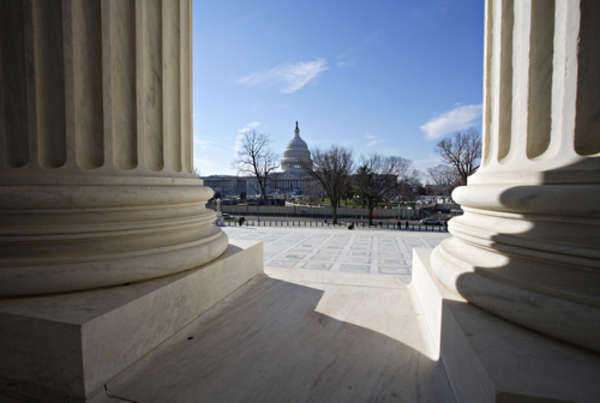
What is the Purpose of the US Patent and Trademark Office? – The US Patent and Trademark Office will prove to have quite the extensive list of responsibilities. In short, any particular aspect regarding intellectual property, from the formal application and registration process, to the enforcement of intellectual property protection laws, is the charged responsibility to the USPTO. The overall underlying purpose behind the US Patent and Trademark Office is simply to promote the progress of industry, science, technology, and the arts for the intent of stimulating and strengthening the United States’ economy.
Where is the US Patent and Trademark Office Located? –Prior to 2006, the US Patent and Trademark Office was located in the Crystal City section of the city of Arlington, Virginia. The offices would finally relocate to Alexandria, Virginia in 2006. However, the move would not be completed until 2009, as the offices of Patents and the Chief Information Officer remained in Crystal City.
What is the Structure of the US Patent and Trademark Office? - As of 2009, the US Patent and Trademark Office employed just over 9,700 employees, and the number continues to grow today. Out of those employees, about 6,200 were all patent examiners and 388 were designated as trademark examining attorneys. The agency executive is the Under Secretary of Commerce for Intellectual Property, a position that is currently held by David J. Kappos. Kappos has held the position since 2009, which was appointed to him by the President Barack Obama. He succeeded John Doll, who was acting as the interim agency executive in lieu of the resignation of Jon W. Dudas.
The US Patent and Trademark Office is also made up three administrative bodies under the Commissioner for Patents: Deputy Commissioner for Patent Operations Peggy Focarino, Deputy Commissioner for Patent Examination Andrew Hirshfeld, and the Commissioner for Patent Resources and Planning, a position that is vacant.
The Board of Patent Appeals and Interferences is also an administrative of the US Patent and Trademark Office and is focused upon the legal aspects that may arise in regards to decisions made by examiners. All appeals regarding decisions on patentability are made to the Board of Patent Appeals and Interferences, which can also be further appealed in the United States Court of Appeals for the Federal Circuit.